Feb 09, 2016
AngelList's 2015 Numbers Are Wild
AngelList, like CrunchBase, is basically a must-have profile in the startup world. They just released their 2015 wrap-up.
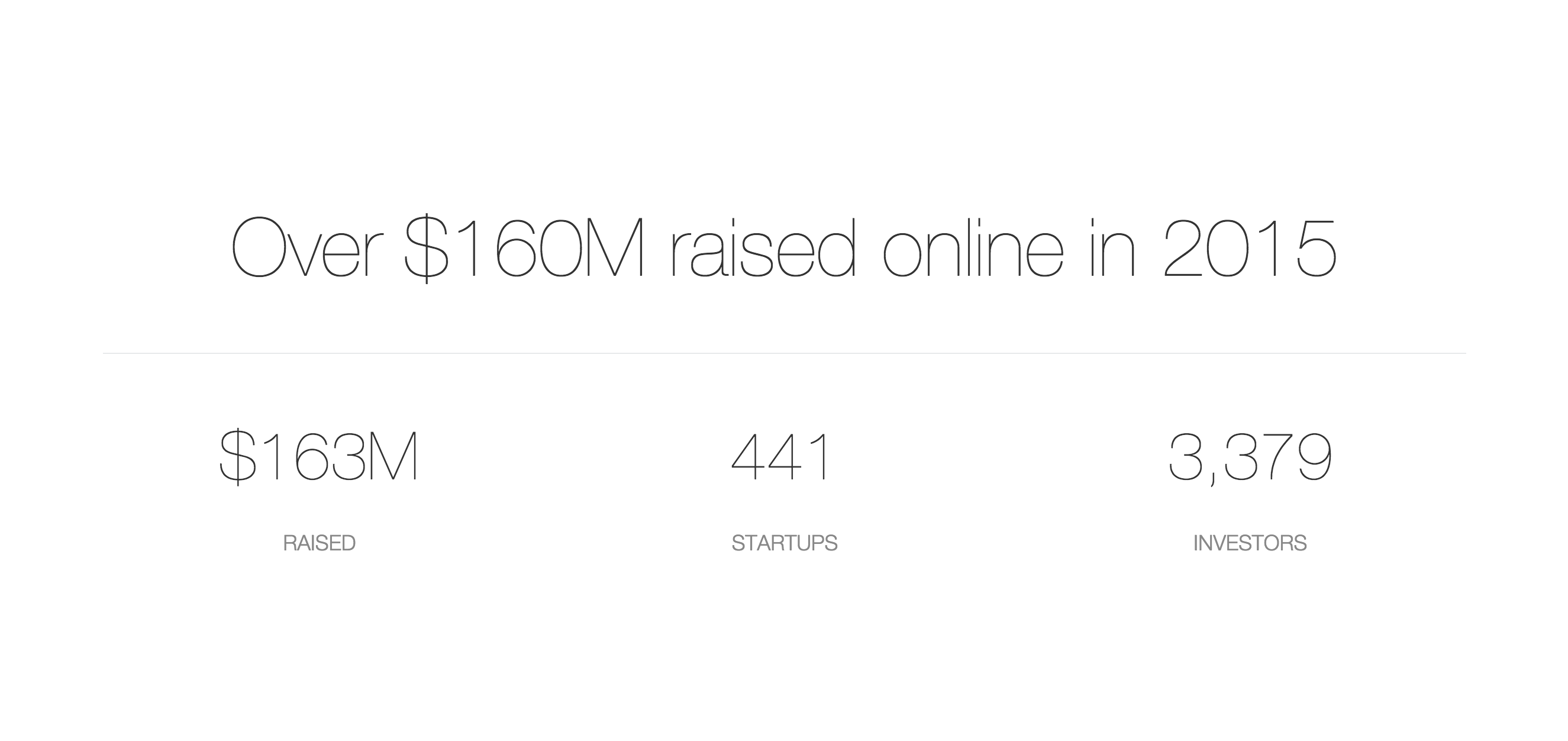
Over $160M Raised Online
AngelList primarily provides online fundraising opportunities for startups at the seed and angel stages.
In 2015, 441 startups raised a combined $163M from 3,379 investors on the platform.
That’s a staggering number.
Apparently it’s up 56% from 2014.
The most active investors are below.
You can spot Semil Shah of Haystack and well-known angel investor Rick Marini too.

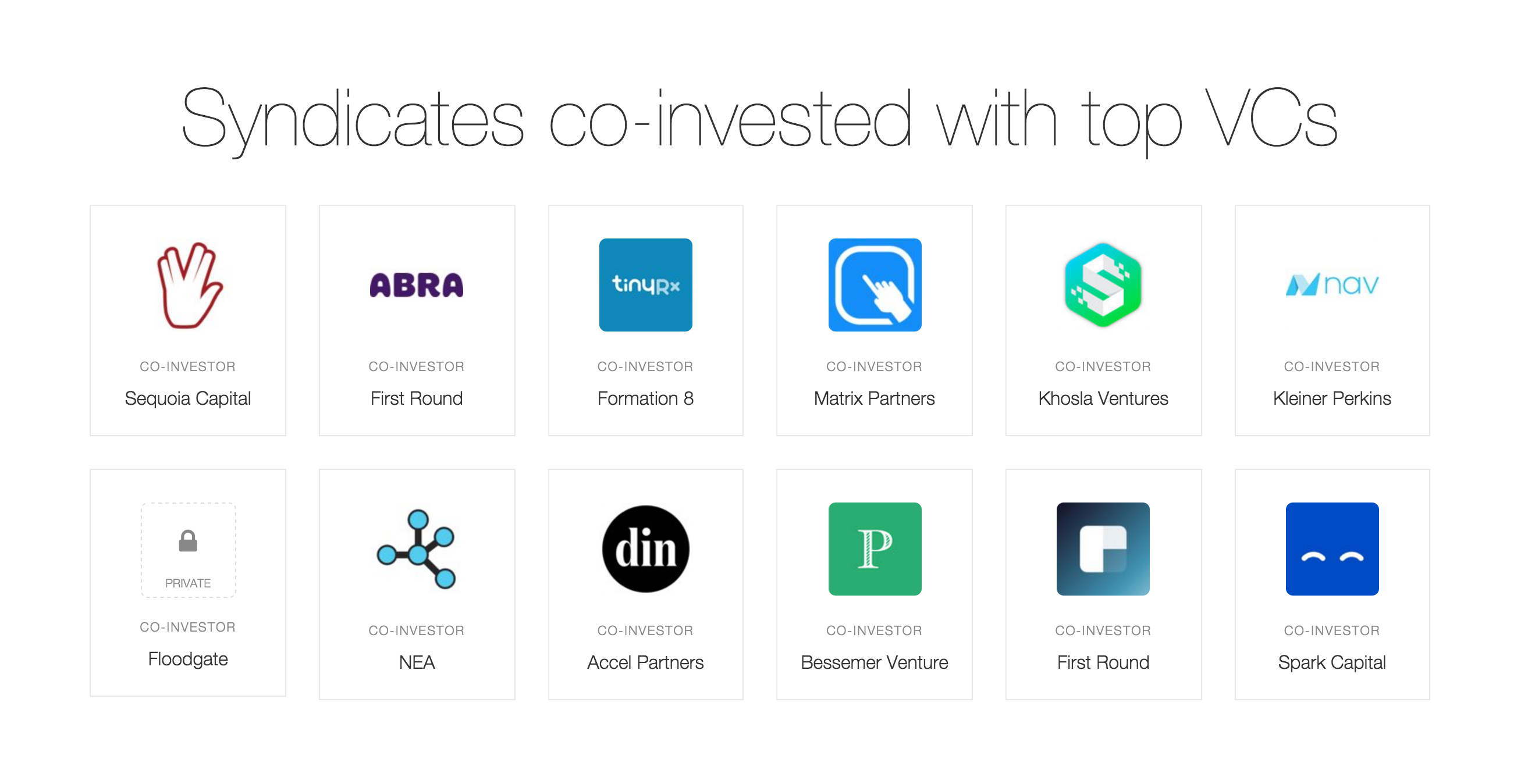
And there are co-investments with prominent VCs like these:
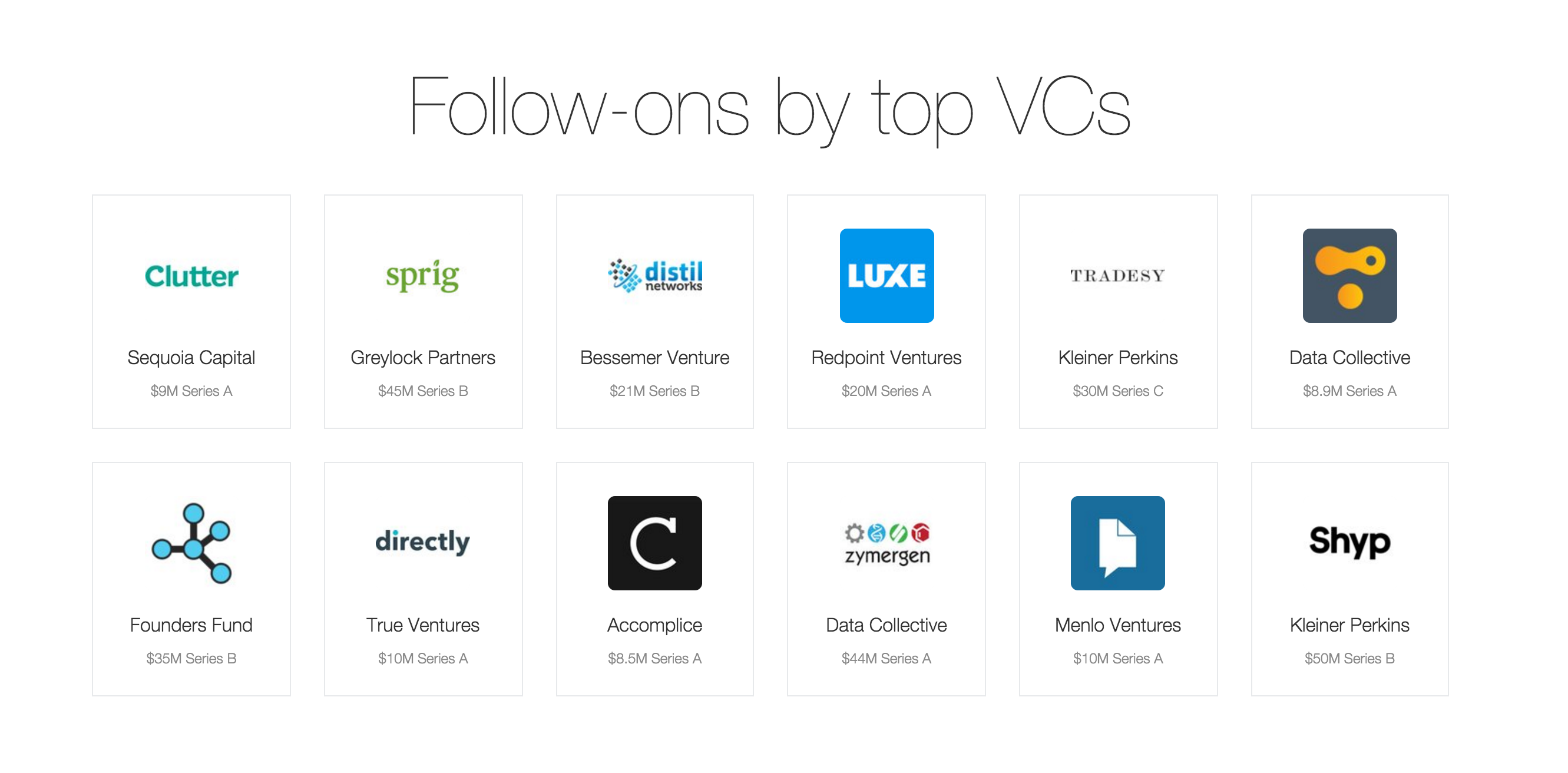
Follow-on investments are active too.
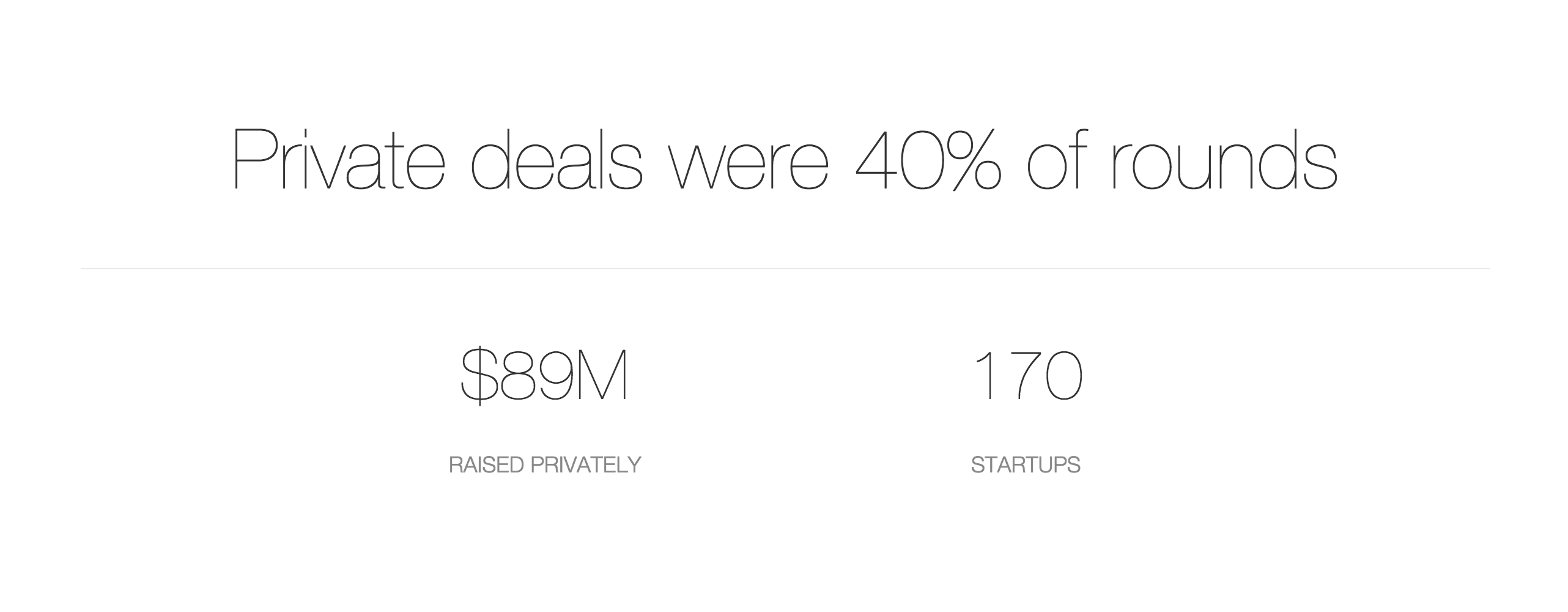
Apparently 40% of the activity is private rounds.
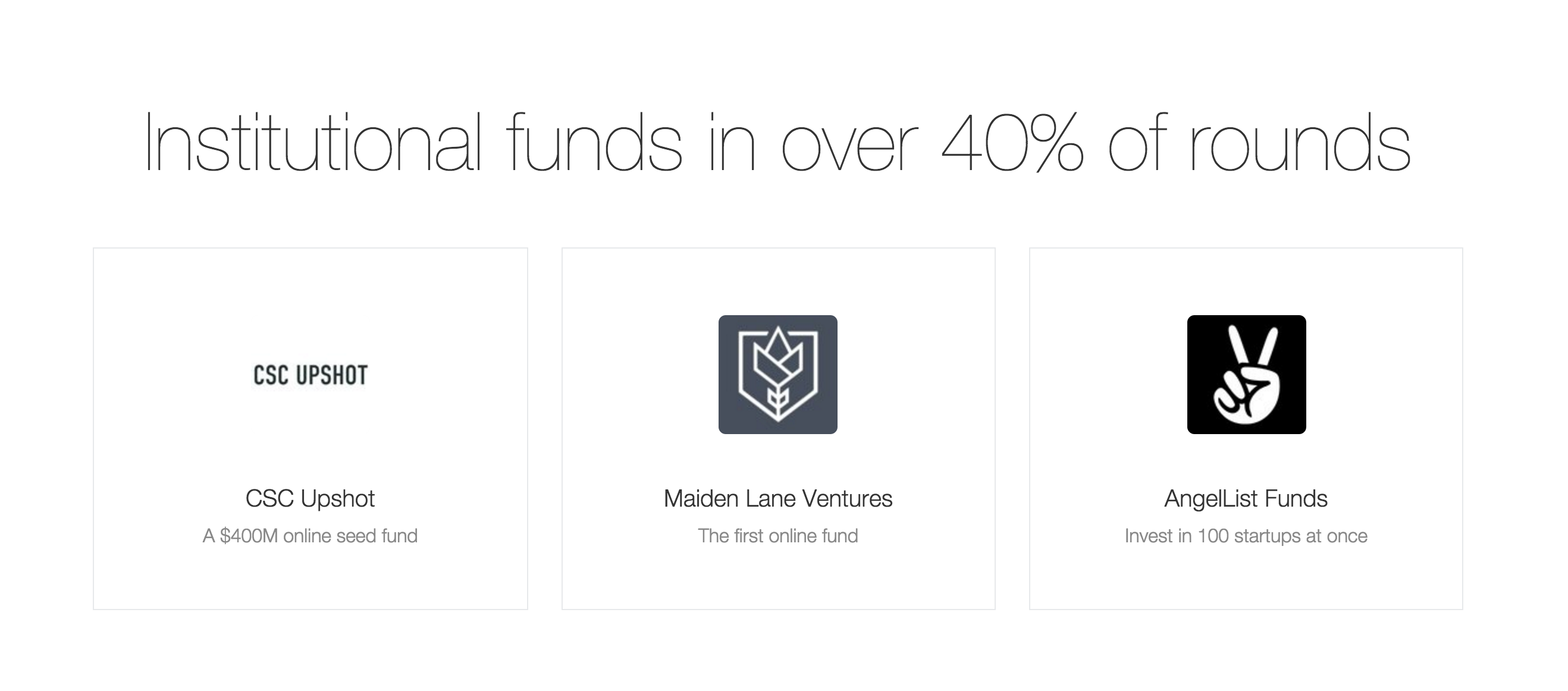
Over 40% comes from institutional investors as well.
AngelList itself raised a massive $400M Seed Fund late last year.
AngelList Is Also the World’s Largest Startup Job Board
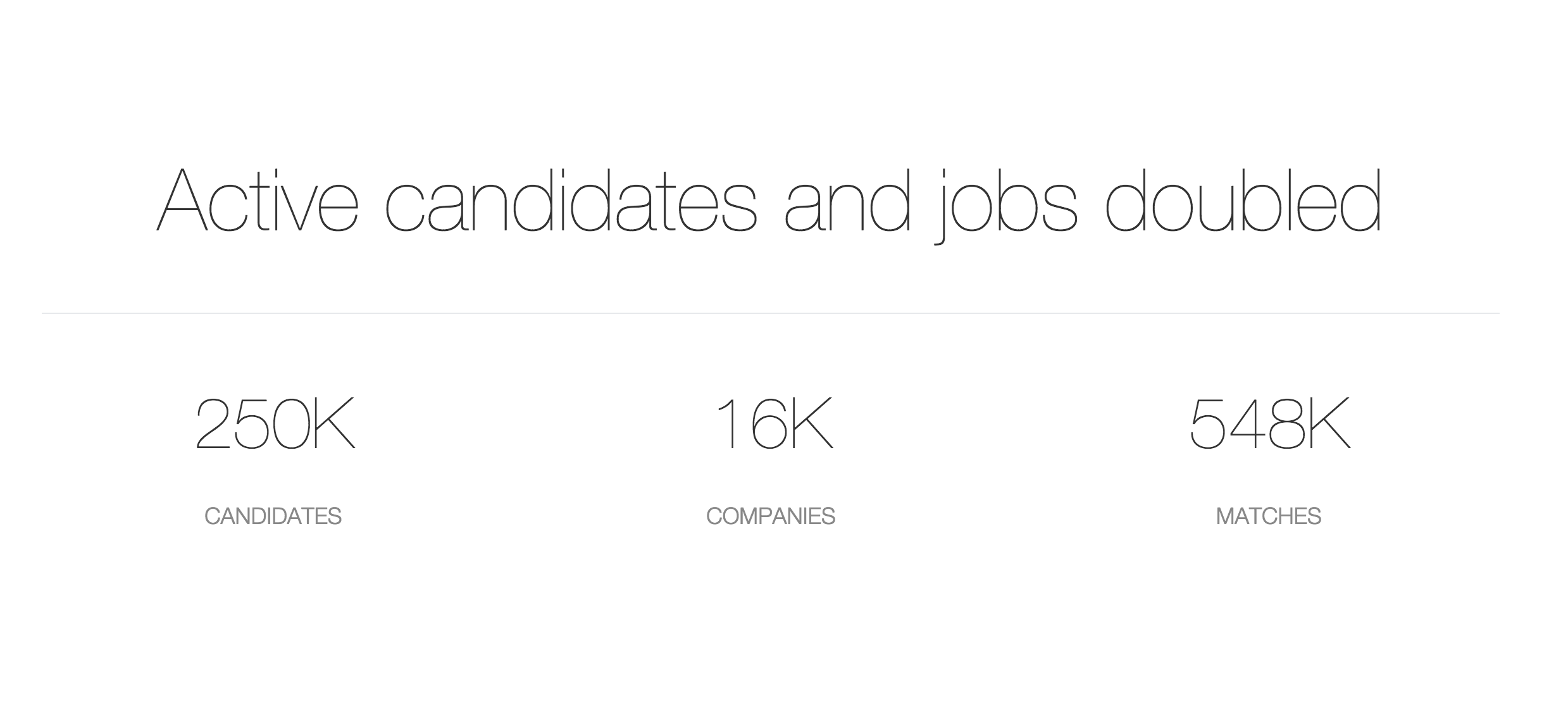
AngelList is also a recruiting platform — and last year about 550,000 people matched with over 250,000 job seekers across 16,000 positions.
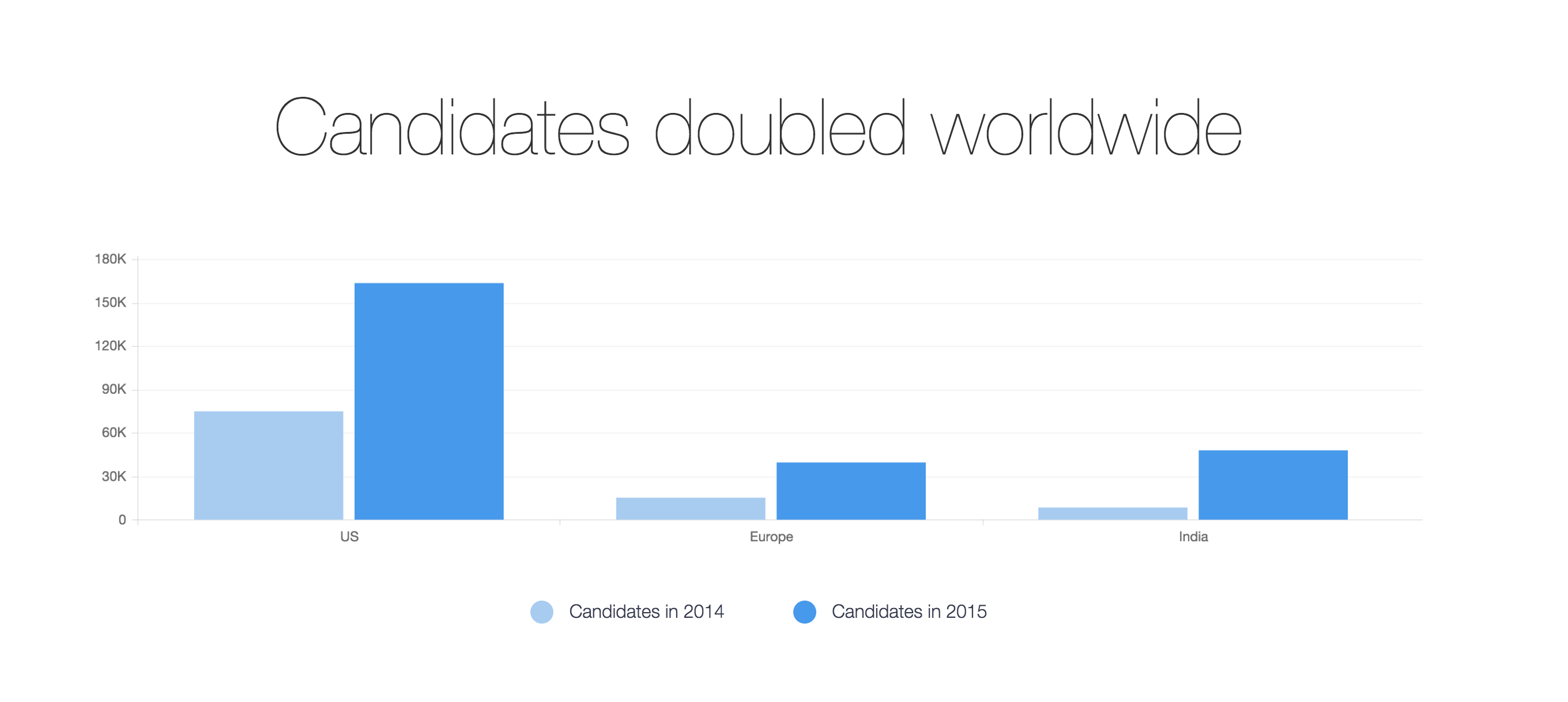
Both active applicant numbers and listings more than doubled compared to 2014.
You can find plenty of familiar startups on there.
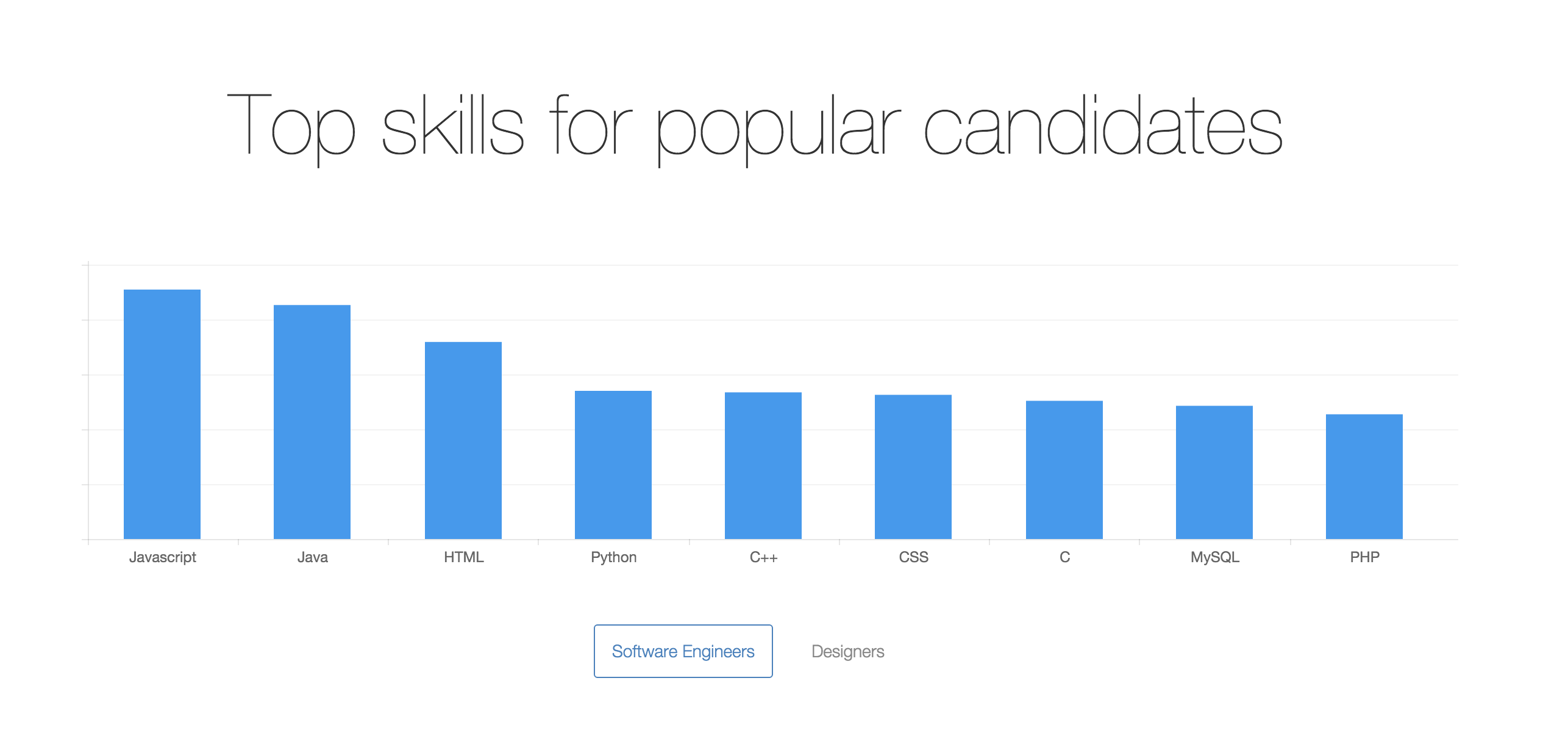
In software roles, JavaScript engineers are especially in demand, followed by Java, HTML, and Python.
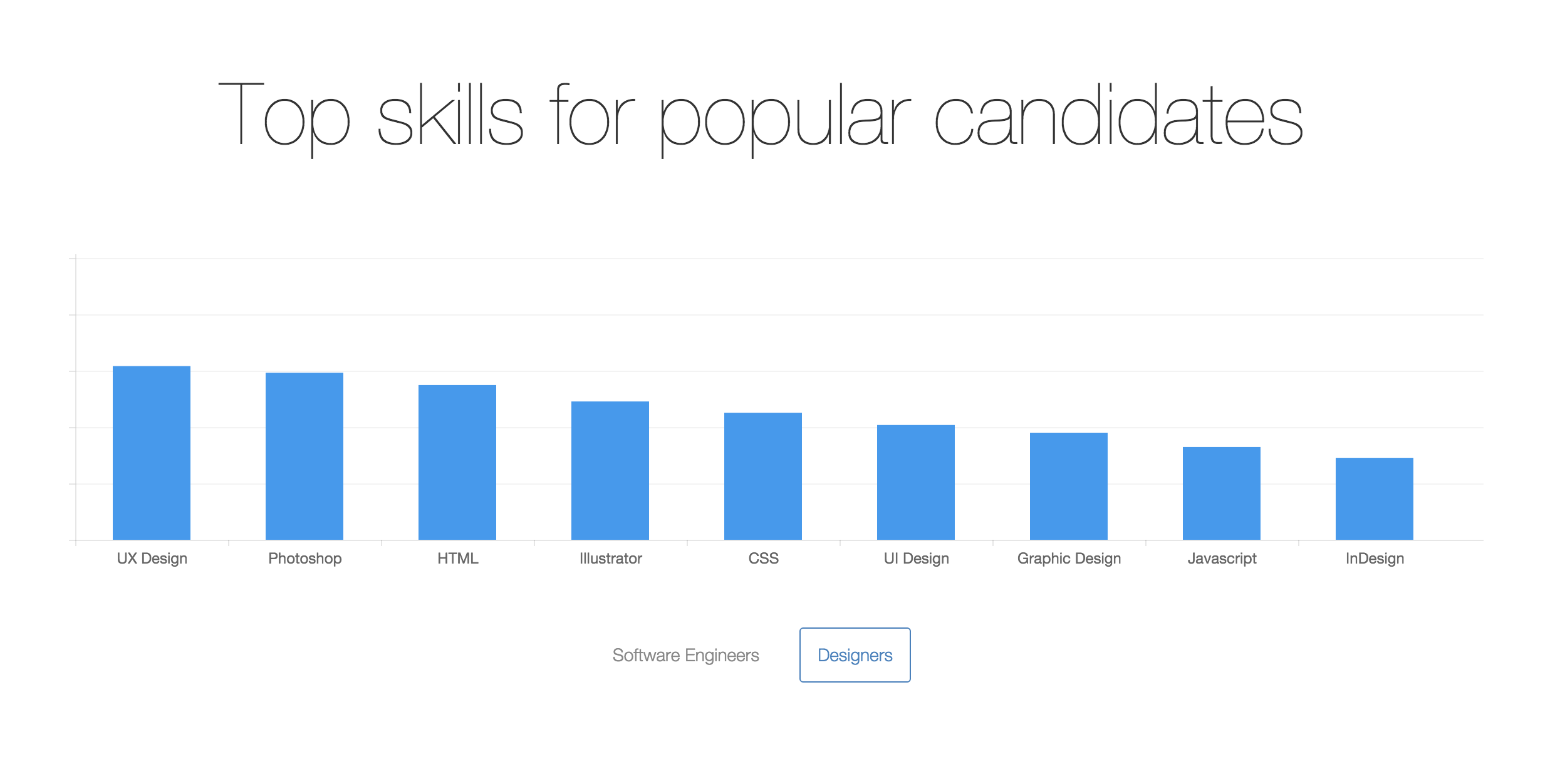
In design, UX design and Photoshop are the hot skills.
Will Investing Itself Get Eaten by Software?
The famous investor Andreessen Horowitz said that (Software is eating the world) —
Will investing get displaced by IT too?
Most investing today is done person-to-person.
Of course, a lot of seed-stage investing comes down to factors you can’t easily quantify — like whether the founders or the team are compelling. There’s still a lot of “sense” that only humans can judge.
But to back tens of thousands or hundreds of thousands of startups and drive innovation at that scale, the power of IT is going to be indispensable, isn’t it?
The more investors there are, the less value there is in just “writing the check.” Already in the US — and now in Japan too — we’ve reached a phase where just being able to write a check isn’t enough to win deals.
The number of investors has grown a lot compared to a few years ago.
In other words, competition kicks in for investors too, and startups are now in a position to pick their investors.
What founders want from investors is help with hiring, growth support, emotional support — that kind of thing.
They want the knowledge and know-how that comes from seeing tons of startups — not just the money.
Simply put: will taking money from this investor help the company scale?
Where Angel Investing in Japan Is Today
Recently, ANRI — an independent VC led by Anri Samata — launched Tokyo Angel Network, a matching platform for pre- and post-founding startups and angel investors.
It’s basically a service that recruits startups looking for mentoring from angel investors on business and capital strategy, and ANRI screens the startups on behalf of the angels.
I think it’s a great initiative — and yeah, compared to the US, there really are still very few angel investors in Japan.
It’s only in the last few years that the number has started to grow at all.
Given the stage of the ecosystem, it’s still unrealistic to drive matching purely online.
The first priority is spreading angel investing culture.
There’s a clear gap — “startups don’t have a good way to access good angels, while angels are overwhelmed by too much inbound from startups” [source: Tokyo Angel Network] — and this initiative will definitely help spread angel culture.
More exits means more angel investors, but in Japan there have been too few startups and too few VCs feeding them, so the exit count has also been low.
The Japanese startup ecosystem is just getting going — the positive cycle is finally starting to spin.
Going forward, in addition to IPOs, M&A should accelerate too, and angel investors should grow in number.
Finally
Eventually, the Japanese startup ecosystem will also leverage the power of IT — leaving what IT can solve to software, and letting investors focus on what only humans can do.
After all, scaling via software is what startups do best, right? lol